How to Get Rid of Stage Fright Quickly: Practical Tips
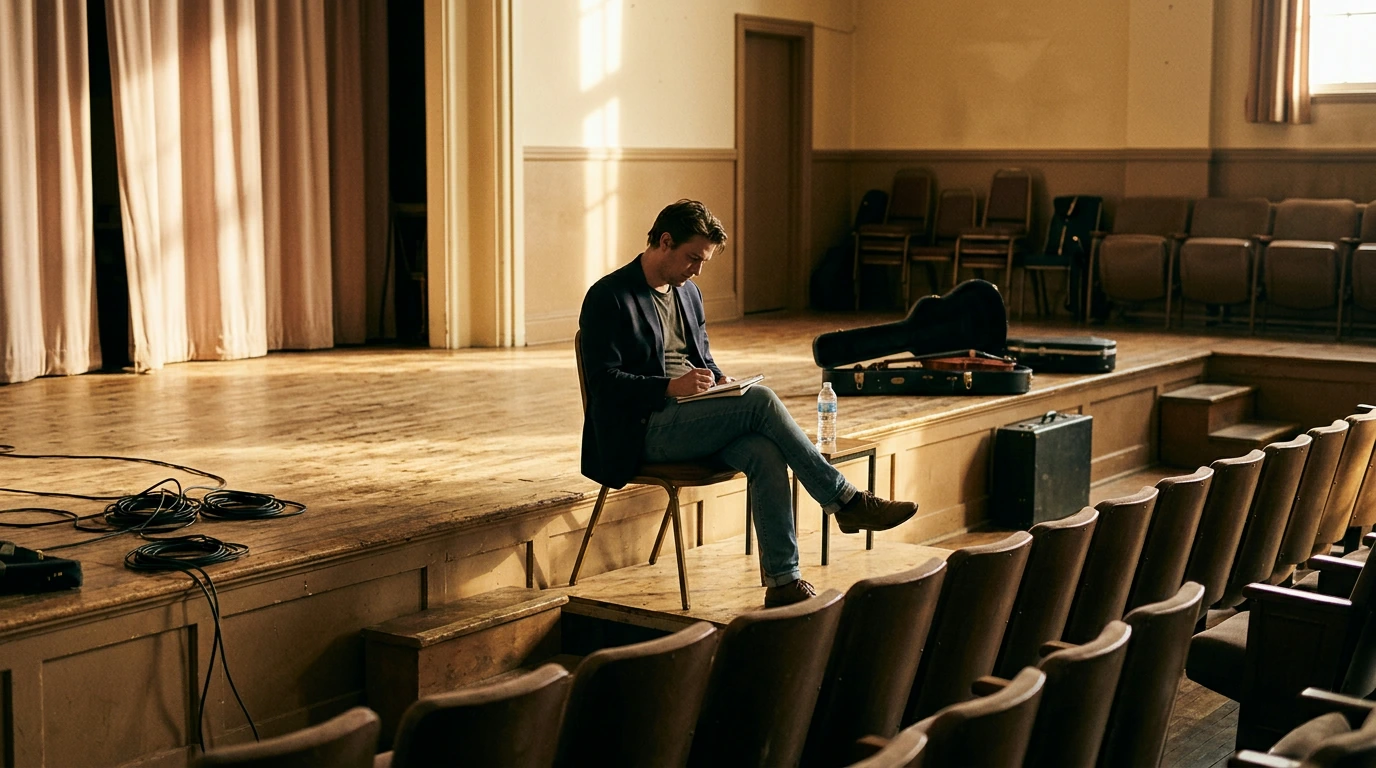
How can you calm stage fright right before a performance?
Start by giving your body a simple task: place both feet on the floor and breathe out slowly. Inhale comfortably through your nose, then exhale for a little longer than you inhaled. Repeat for a minute without forcing your breath. A slower exhale can help settle the physical rush that makes stage fright feel overwhelming.
You do not need to eliminate every nervous feeling before you begin. Aim to make it manageable enough to take your first step, say your first sentence, or play your first note. For more practical ideas, visit our guide to getting rid of stage fright quickly.
What should you do in the five minutes before going onstage?
Keep your preparation short and familiar. We recommend a routine you can use whether you are giving a presentation, auditioning, or performing for a crowd:
- Release tension: Drop your shoulders, loosen your jaw, and gently shake out your hands.
- Ground yourself: Notice the contact between your feet and the floor, and name a few things you can see.
- Practice your opening: Quietly rehearse your first line or the first few moments of your performance.
- Choose one purpose: Focus on sharing an idea, telling a story, or connecting with the audience rather than trying to appear perfectly calm.
If possible, arrive early enough to find your place, test any equipment, and take a sip of water. Avoid trying a new supplement or relying on extra caffeine immediately before you go onstage; neither is a dependable quick fix.
What if you feel nervous while you are performing?
Pause briefly and exhale. A short pause usually feels longer to you than it does to your audience, and it gives you time to find your next thought. If you lose your place, return to a prepared transition, glance at your notes, or restate the point you just made.
Keep your attention on the next small action instead of judging the whole performance. Speak a little more slowly than feels natural, and look toward a friendly face or a spot near the back of the room. Our team recommends practicing these recovery steps beforehand so they feel familiar when you need them.
If performance anxiety regularly disrupts your work or daily life, a licensed mental health professional can help you develop a longer-term plan.
FAQ
Can practicing in front of other people help with stage fright?
Yes. Practicing first with one supportive person and gradually adding listeners can make performing in front of an audience feel more familiar. Ask for specific feedback so you can focus on useful adjustments rather than general impressions.












Leave a comment