Name It Like a Pro: Product Naming With AI

A memorable product name starts with a clear idea of what you sell and who you want to reach. AI can help you explore possibilities, but a useful name still needs your judgment: Does it suit the product, sound natural, and belong in your shop?
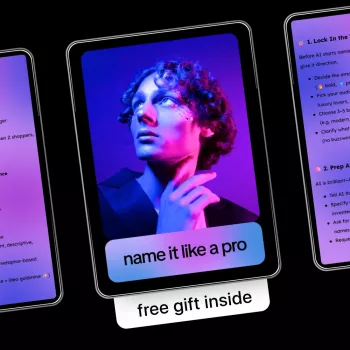
Our Name It Like a Pro digital naming guide and workbook is designed for creators and shop owners who want a more focused way to explore product and brand names. Use it alongside the steps below to move from a broad idea to a shortlist you can assess with confidence.
Start With a Clear Naming Brief
Before asking an AI tool for suggestions, describe your product in a few sentences. Include what it is, who it serves, and the feeling you want its name to convey. A name for a relaxing evening candle, for example, may need a different tone from one for a bright, energizing scent.
Next, make a small list of words and styles that fit. You might choose “woodsy,” “calm,” and “evening,” then note that you prefer short, evocative names. Add terms to avoid, too: perhaps you do not want anything overly formal, difficult to pronounce, or similar to a product you already sell.
Our workbook offers a resource for approaching those decisions with intention. A brief does not need to be perfect; it simply gives you a useful starting point and makes it easier to explain what you want to an AI tool.
Use AI to Explore Different Directions
Give your AI tool a concise description and ask for several distinct approaches rather than one long list of similar names. You can request descriptive names, mood-driven names, and playful options in separate groups. That makes it easier to see which direction fits your product.
For a fictional handmade candle, your request could read:
Create product name ideas for a handmade cedar candle aimed at people who enjoy quiet evenings at home. The mood should feel warm and peaceful. Keep each name to two or three words, and provide descriptive, evocative, and playful options.
Use the suggestions as starting points, not final answers. If one direction feels promising, ask for variations with a different rhythm or a simpler word choice. You can also combine an idea from the list with your own language, then compare the result against your original brief.
Naming Directions to Try
| Direction | What to Ask For | Example for a Candle |
|---|---|---|
| Descriptive | Names that suggest the product’s scent or purpose | Cedar Evening |
| Evocative | Names that create a mood or image | Quiet Ember |
| Playful | Short, approachable names with a lighter tone | Glow Hour |
These fictional examples illustrate different styles, not names that have been cleared for use. A descriptive name may communicate quickly, while an evocative one can leave more room for interpretation. Choose the approach that helps your intended customer understand or connect with the product.
Turn a Long List Into a Shortlist
Once you have a collection of ideas, select a few that fit your brief. Compare them for clarity, memorability, pronunciation, and how comfortably they sit alongside the other names in your shop. A name can be appealing on its own but feel out of place within your existing collection.
Say each candidate aloud. Can you pronounce it naturally, and could someone reasonably spell it after hearing it? Then write it as it might appear on a label and in a product listing. A name that looks elegant in a list may feel too long or confusing when paired with a product description.
Set aside names that are hard to spell, unclear, or too close to familiar brands. If several choices remain, ask a trusted person what each one brings to mind without explaining the product first. Their reaction can reveal a useful distinction between what you intend and what a customer may hear.
Check a Name Before You Commit
Search the marketplaces where you plan to sell, along with relevant domain names and social handles. Look for similar names as well as exact matches, especially for related products. A name that is already closely associated with another business may cause confusion even if your spelling differs.
For U.S. trademark checks, the USPTO trademark database is a starting point. The U.S. Small Business Administration’s business naming guidance also explains considerations for choosing and registering a business name.
AI-generated suggestions are not guaranteed to be original or legally available. Searches can help you identify potential issues, but they do not replace legal advice. Consider consulting a trademark professional when appropriate, particularly before investing in packaging or a broader brand launch.
Make Your Next Naming Session More Focused
Explore Name It Like a Pro, our $4.99 digital naming guide and workbook for creators and shop owners exploring product and brand names. Start with a clear brief, compare ideas from different directions, and check your shortlist before choosing. Visit the product page for purchase details.
If you are also looking for practical ways to manage household expenses, our Smart Ways to Save on Utilities guide offers a separate resource focused on cutting costs and improving efficiency.
FAQ
Can AI generate a product name for my shop?
Yes. AI can suggest names based on your brief, but you should assess their fit and check availability before using one.
How do I know if a product name is available?
Search relevant marketplaces, domain names, social handles, and trademark records for existing uses. Consider professional advice when appropriate.
Who is Name It Like a Pro for?
It is a digital naming guide and workbook for creators and shop owners exploring product and brand names.











Leave a comment