Group Trip Games and Activities for Memorable Adventures
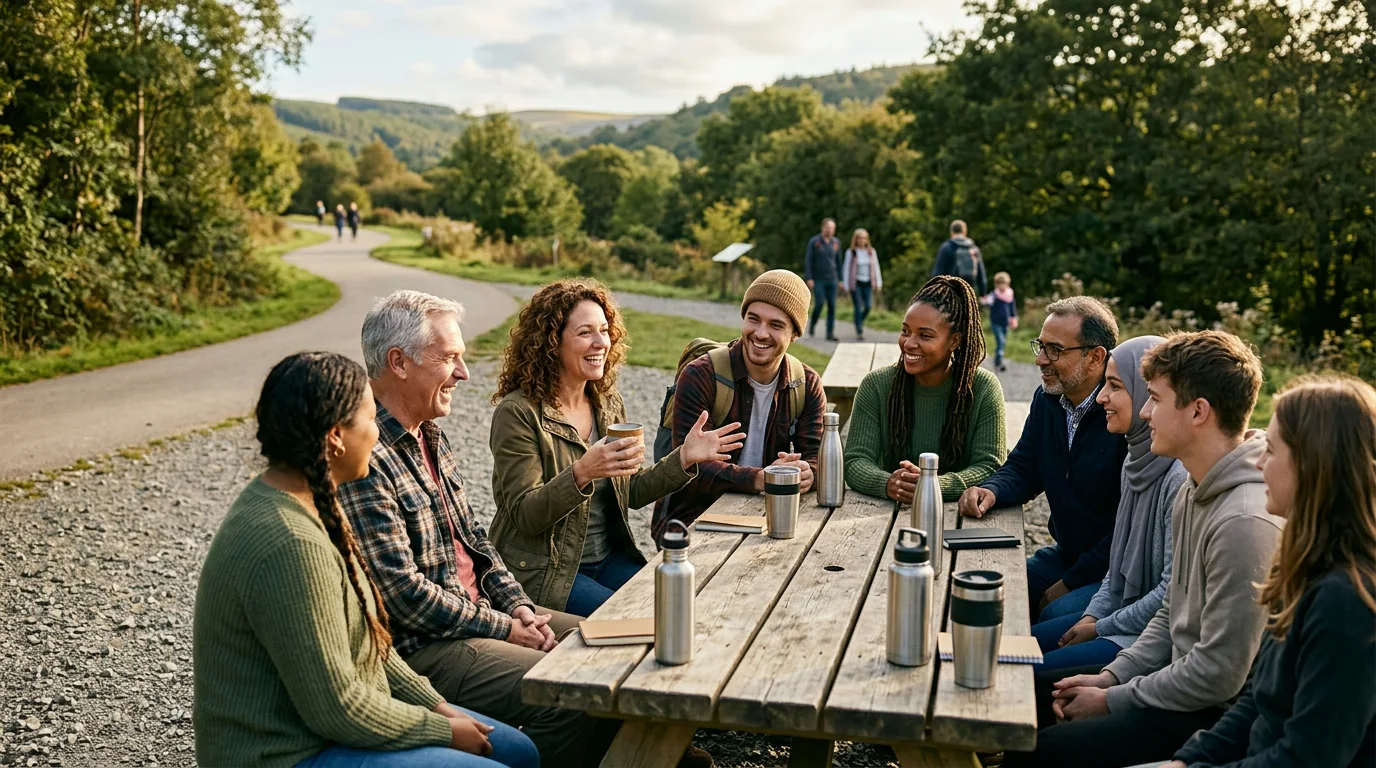
A memorable group trip doesn’t need a packed schedule. A simple game can make a long journey feel shorter, help new travel companions connect, or give everyone a relaxed way to wind down after a busy day.
Our team recommends choosing activities around the people and places involved rather than trying to fill every spare minute. If you’re looking for a planning resource, our Games and Activities for Group Adventures Guide is an option to explore alongside the ideas below.
Start With the Group and the Setting
Before you choose a game, consider how many people are coming, their ages and interests, and how well they know one another. A group of close friends may enjoy playful challenges right away, while a group meeting for the first time may prefer a gentler introduction.
Think about mobility and energy, too. Some travelers may welcome an active outdoor break; others may need a seated activity or time to rest. You can make participation voluntary and offer a quieter option, such as watching, reading, or chatting nearby.
Finally, look at the space and time you have. A game that works around a picnic table may not suit a crowded waiting area. Flexible rules make it easier to shorten a round, change teams, or stop when the group is ready to move on.
Choose an Activity for Each Part of the Trip
The following ideas are easy starting points, not a fixed itinerary. For a small group, invite everyone into one conversation. For a larger group, split into teams or run several short rounds so more people get a turn.
| Trip moment | Activity idea | What to consider |
|---|---|---|
| Travel time | A shared storytelling game | Keep voices comfortable for other travelers. |
| Arrival | A friendly getting-to-know-you question round | Allow participants to pass. |
| Outdoor break | A team observation challenge | Stay on permitted routes and respect wildlife. |
| Evening downtime | A group trivia round | Mix topics and invite players to suggest questions. |
Adjust the energy, not just the rules
For storytelling, each person can add a sentence, or a volunteer can collect ideas from the group and tell the story. Keep it short if people are tired, and avoid asking the driver to participate.
For an observation challenge, ask teams to notice colors, shapes, or natural features from a safe, accessible spot. Participants can work together rather than race. In the evening, a few casual trivia questions may be enough; there’s no need to keep score unless your group wants to.
Keep Group Games Easy to Run
Start with a one-sentence goal and explain only the rules people need for the first round. A quick practice turn lets everyone see how the activity works without worrying about getting it right. You can adjust confusing rules before continuing.
With a large group, try small teams so quieter participants have more opportunities to contribute. Rotate simple roles, such as question reader or timekeeper, if people want a turn. For mixed-age teams, pair participants in ways that encourage cooperation without assuming anyone needs help.
Agree on a stopping point before you begin: a set number of questions, a few minutes, or the next scheduled break. If attention or energy shifts, pause or finish early. A game can end while everyone is still enjoying it.
Make Room for Safety and Flexibility
Check venue rules and the weather before planning an outdoor activity. Keep games on permitted routes, give wildlife space, and leave natural objects where you find them. The National Park Service’s Leave No Trace guidance offers practical reminders for caring for outdoor places.
Avoid activities that distract drivers or encourage anyone to enter traffic, climb barriers, or move into unfamiliar terrain. If conditions change or an activity doesn’t work for someone’s access needs, switch to an indoor question round, seated storytelling, or another low-movement option.
For broader trip preparation, the CDC’s travel health resources can help you find destination-specific information before you leave.
Explore the Group Adventures Guide
Our Games and Activities for Group Adventures Guide is a relevant resource if you’re planning games for a group trip. It’s listed at $4.99; visit the product page for purchase details.
If your plans also involve flying, our Handling Flight Delays and Cancellations guide is another resource to consider as you prepare for possible disruptions. Whatever you choose, leave enough flexibility to match the activity to your people, place, and pace.
FAQ
What are easy games to play on a group trip?
Try a storytelling round during travel, casual trivia at your lodging, or an observation challenge during an outdoor break. Keep voices appropriate for shared spaces and stay on permitted routes.
How do you choose activities for a mixed-age group?
Choose straightforward rules and flexible teams, then offer ways to participate at different energy and ability levels. Let people pass or take breaks whenever they need to.
How can a group activity include people who prefer not to compete?
Use a shared goal instead of a contest, and make participation optional. Someone who prefers a supporting role might enjoy setting questions or keeping score if the group uses one.










Leave a comment