Shopping List for One: Plan Smart and Waste Less
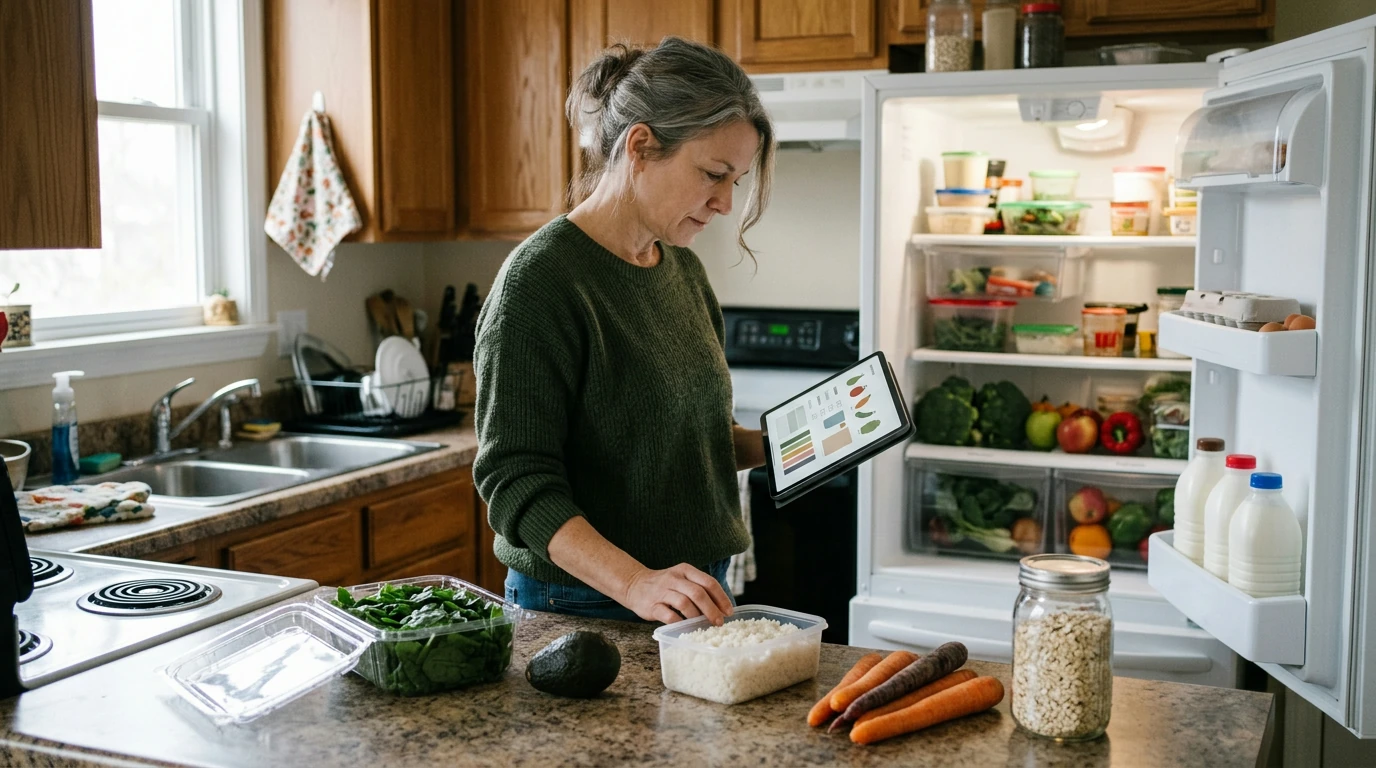
Shopping for one can be simple and satisfying when your list reflects the way you actually eat. A little planning helps you use what you have, choose manageable quantities, and make room for flexibility when your week changes.
Our Solo Smart Shopping Checklist is a digital grocery planner and minimal waste guide designed for a single-person household. Pair it with a quick pantry check and a few meal ideas to make your next grocery trip more intentional.
Start With What You Already Have
Before writing your list, take a few minutes to look through your refrigerator, freezer, and pantry. Pull forward foods that need attention soon, such as an open container of greens, a ripe avocado, or cooked rice from an earlier meal. Those ingredients can become the starting point for your next few meals.
Next, check the staples you rely on. You may have enough pasta for two dinners but need more oats for breakfast. Note quantities as well as ingredients so you don’t bring home another jar of something you already have plenty of.
A quick inventory doesn’t need to be perfect. The goal is to spot useful ingredients and avoid duplicates before you shop. The EPA’s guide to preventing wasted food at home offers more ideas for planning and using what you buy.
Build a Flexible Grocery List for One
Instead of assigning every ingredient to a specific day, plan a few meals you’ll be happy to make in any order. Your schedule may change, or you may want leftovers one night. A flexible list lets you adjust without abandoning your plan.
Choose ingredients that can do more than one job. A bag of carrots can go into a salad, stir-fry, or soup; a can of beans can become a bowl topping or a quick side. Add quantities that match your appetite, the number of meals you expect to eat at home, and the space available for storage.
| Category | Planning idea | Example |
|---|---|---|
| Produce | Choose a mix that suits your schedule | Fresh greens and frozen vegetables |
| Protein | Pick options you can portion | Eggs, beans, or a small pack of chicken |
| Grains | Keep versatile staples on hand | Rice, oats, or pasta |
| Flavor | Use small additions across meals | Lemon, herbs, or a favorite sauce |
For example, if you plan two dinners at home and have a busy weekend ahead, a small amount of fresh produce may be more practical than a large bundle. Frozen vegetables can fill the gaps without requiring you to use everything immediately.
Make Less Waste Part of the Routine
Fresh food isn’t the only way to build a satisfying meal. Frozen fruit and vegetables, canned beans, and shelf-stable grains can be useful when your plans change or you find it hard to finish fresh items in time. Choose the formats you enjoy and have room to keep.
Give leftovers a place in your plan, too. You might cook an extra portion of soup for lunch or set aside one evening to use up cooked vegetables and protein. Refrigerate leftovers promptly, and freeze suitable extra portions if you won’t use them soon. Labeling a container with its contents and date can make it easier to remember what’s inside.
Follow package storage directions, and take another look through the refrigerator before your next shop. For food storage guidance, the FoodKeeper resource from FoodSafety.gov can help you find recommendations for specific foods.
Put the Solo Smart Shopping Checklist to Work
Our Solo Smart Shopping Checklist is a $4.99 digital grocery planner and minimal waste guide for a single-person household. Use it alongside your inventory and short meal plan to organize what you need for the next trip.
Start by noting ingredients you already have, then list the additions that turn them into meals. If you have rice, frozen vegetables, and eggs, for example, you might only need a sauce or a fresh garnish for a quick fried-rice-style meal. Visit the product page to purchase the checklist and see available product details.
Planning groceries can also be one part of a broader household routine. If you’re reviewing everyday expenses, our Smart Ways to Save on Utilities guide offers a separate resource for considering utility costs and efficiency.
Adjust Your List After Each Shop
Before you make the next list, notice what happened to the last one. Did you finish the fresh fruit? Did a second loaf of bread stay untouched? Did you wish you had another easy lunch option? Use those observations to increase or reduce quantities rather than relying on a standard list that may not fit your week.
Keep dependable staples in your routine, but let fresh purchases change with your schedule. Our team recommends treating each shopping trip as a chance to refine your plan. Explore the Solo Smart Shopping Checklist when you’re ready to make that routine a little more intentional.
FAQ
How much food should one person buy for a week?
The amount depends on your appetite, how many meals you eat at home, and your storage space. Start with a few planned meals and adjust your quantities based on what you actually use.
How can I reduce food waste when shopping for one?
Check your supplies before shopping, choose ingredients that work in several meals, and plan time to eat leftovers. Frozen and shelf-stable foods can also help when fresh items are difficult to finish.
What is the Solo Smart Shopping Checklist?
It’s our digital grocery planner and minimal waste guide designed for a single-person household. It costs $4.99.












Leave a comment