How to Increase Your Dog’s Endurance Safely
How do I increase my dog’s endurance?
Build your dog’s endurance through consistent, gradually longer exercise sessions, not sudden bursts of activity. Start at a pace your dog can handle comfortably, allow recovery between harder outings, and adjust the plan for your dog’s age, health, and breed.
For more guidance, visit our guide to increasing your dog’s endurance.
Where should you start?
Choose an activity your dog already enjoys, such as walking, hiking, or swimming. Begin with a comfortable route and note how long your dog can stay relaxed and responsive without lagging or needing frequent stops. That gives you a starting point for future outings.
Before increasing exercise, talk with your veterinarian if your dog is a puppy, a senior, overweight, or has a medical condition. Dogs with short noses can struggle to cool themselves and may need shorter, gentler sessions, especially in warm weather.
How should you build an exercise routine?
Add a little time or distance at a time, keeping most outings easy enough that your dog can move comfortably. Increase only one challenge at once: make a walk longer before adding hills, for example. If your dog seems unusually tired afterward, shorten the next session and allow more recovery.
Warm up with a few minutes of easy walking, then finish at a slower pace. Alternate more demanding days with easy walks or rest. For activities such as running beside you, wait until your dog is physically mature and ask your veterinarian whether the activity is appropriate.
What gear and safety habits help?
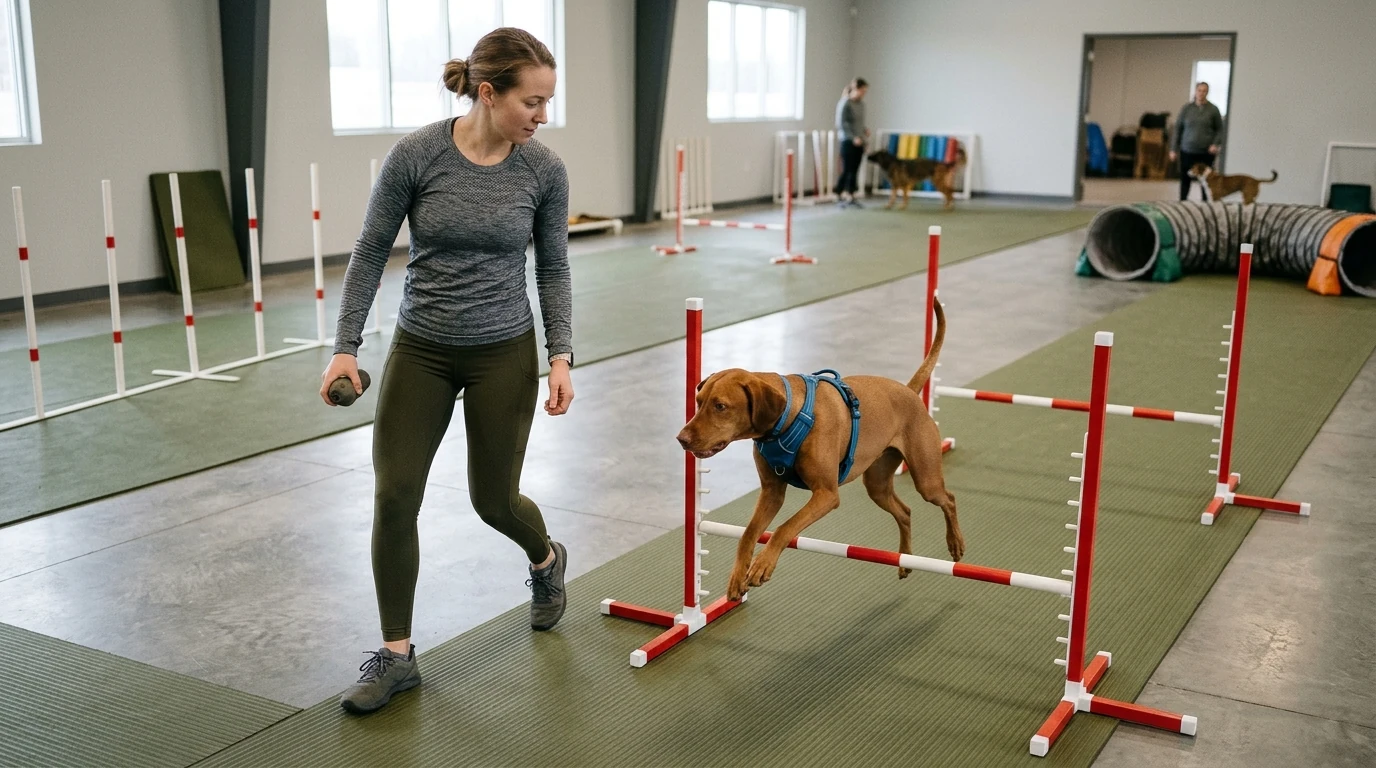
A well-fitted harness and a secure leash can make walks more comfortable and controlled. The harness should allow free shoulder movement without rubbing, and you should be able to fit two fingers beneath its straps. Carry water and a portable bowl on longer outings.
Choose cooler times of day, avoid hot pavement, and take breaks in the shade. Stop if your dog lags, limps, pants excessively, or seems disoriented. Move your dog to a cool place, offer water, and contact a veterinarian promptly if signs are severe or do not improve.
FAQ
How can you tell if your dog needs a rest day?
Give your dog an easier day if they seem unusually tired, reluctant to exercise, or sore after an outing. Contact your veterinarian if limping, discomfort, or fatigue persists.











Leave a comment