Mindful Thrifting: Pause Before the Thrift Store Rush
A thrift store visit can feel like a treasure hunt. You might spot a vintage jacket, a useful kitchen item, or a book you never expected to find—all at prices that make saying yes feel easy. There’s nothing wrong with enjoying that excitement, and an occasional unplanned purchase doesn’t mean you have a problem.
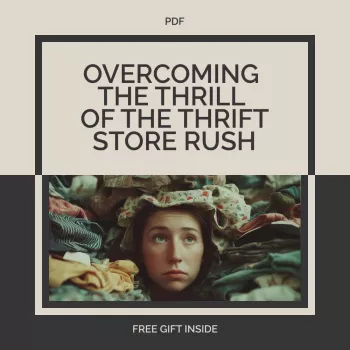
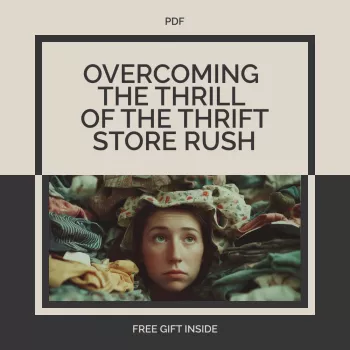
But if the hunt is beginning to leave you stressed or regretful, it may help to slow down and look at your habits with curiosity rather than judgment. Our digital guide, Overcoming the Thrill of the Thrift Store Rush, is a resource for people who want to approach thrifting and shopping more mindfully.
When the hunt starts to feel hard to stop
Perhaps you head to a thrift store whenever you have a free afternoon, even when you don’t need anything. Maybe a low price makes an item seem irresistible, only for it to sit unused at home. You might also find yourself thinking about the next visit before you’ve put your latest purchases away.
These experiences can be familiar without necessarily signaling a serious problem. Buying something on impulse once in a while is different from a recurring pattern that disrupts your finances, relationships, or daily life. You don’t need to label yourself to decide that you’d like a different relationship with shopping.
Notice how you feel before, during, and after a trip. If the excitement fades quickly and is followed by worry about money, clutter, or purchases you didn’t want, that information can help you decide what to change. The goal isn’t to judge every purchase; it’s to make choices that feel more intentional.
Meet the digital guide
Our Overcoming the Thrill of the Thrift Store Rush ebook guide focuses on thrifting addiction, mindful shopping, and healthy habits. It’s an option if you want a resource dedicated to reflecting on the pull of thrift shopping and the place it has in your routine.
The ebook is listed as a digital download for $24.99 USD and is currently in stock. Visit the product page for purchase details and to decide whether it fits what you’re looking for.
Build a pause into the shopping routine
Before entering a store, give yourself a few simple boundaries. Decide how much you can comfortably spend, write down what you’re looking for, and choose how long you’ll stay. You might set a timer or plan another activity afterward so your visit has a natural endpoint.
A spending limit works best when it reflects your broader budget rather than just the amount available in your wallet. If you’re working out what you can afford, Consumer.gov’s guide to making a budget offers a starting point. Our Smart Ways to Save on Utilities guide is another in-stock digital resource you can explore if household expenses are part of your planning.
At checkout, pause long enough to consider each item. Do you need it, can you afford it, and does it suit a specific space or use? You can put something back even if it’s inexpensive or unlikely to be there next time. A bargain is useful only when it fits your priorities.
A simple mindful shopping check
| Before you buy | Question to ask |
|---|---|
| Budget | Does this fit the amount I planned to spend? |
| Purpose | Do I have a specific use for it? |
| Space | Do I have a place to keep it? |
| Timing | Would I still want it after a pause? |
If you’re unsure, consider leaving the item behind and giving yourself time to reflect. You may decide it’s worth buying on another visit, or you may find that the urge passes. Either way, the pause gives you a chance to choose without rushing.
Choose habits that make room for change
Unplanned trips can arise for many reasons. You might notice an urge to browse when you’re bored, stressed, celebrating, or simply near a favorite store. None of those feelings is a universal trigger, so pay attention to what happens in your own routine.
When you want a change of scenery, try taking a walk, visiting a library, or planning an outing where buying something isn’t the point. You could also invite a friend for coffee or spend time on a hobby you already enjoy. An alternative doesn’t have to replace every thrift trip; it can give you another choice when shopping feels automatic.
Sharing your goal with someone you trust can help, too. You might ask them to listen without judgment or join you for an activity that doesn’t involve shopping. If shopping feels uncontrollable or causes significant distress or financial harm, consider reaching out to a qualified mental health professional. The National Institute of Mental Health’s help page offers information on finding support.
Take the next step
Mindful shopping doesn’t require you to give up the fun of finding something special. It means giving yourself room to decide whether a purchase supports the life and budget you want.
Our team offers Overcoming the Thrill of the Thrift Store Rush as a resource for reflecting on thrifting and shopping habits, not as a substitute for professional care. Explore the product page when you’re ready, and decide whether the digital guide fits your needs.
FAQ
Who might benefit from this thrifting guide?
The guide is an option for people who want to reflect on their thrift shopping and explore more mindful habits.
Is the guide a physical book?
No. It is listed as an ebook and digital download, not a physical book.
What if shopping feels impossible to control?
Consider talking with a qualified mental health professional or a trusted person, particularly if shopping is causing distress or financial problems.











Leave a comment